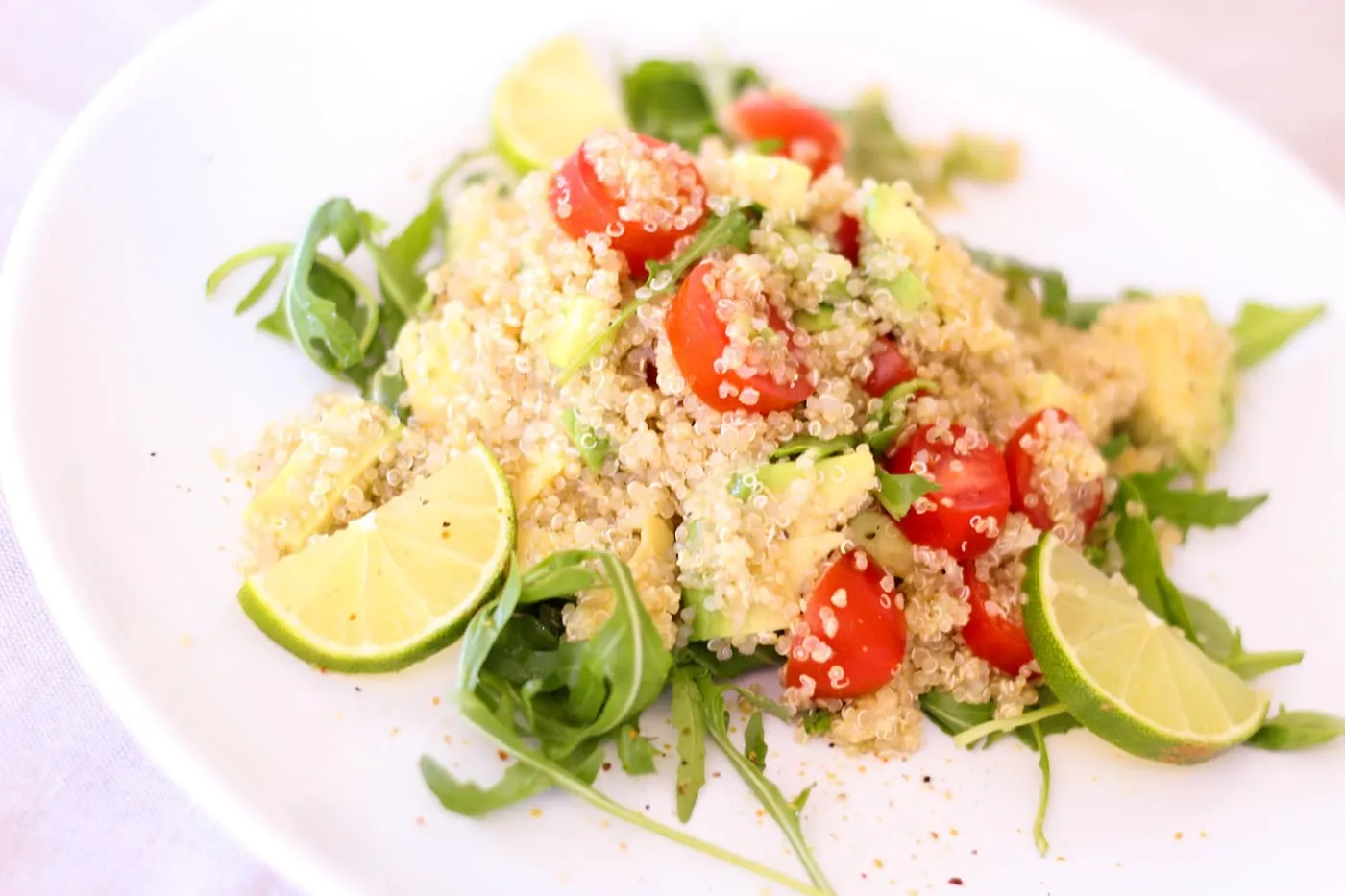

Who doesn’t know this? In the morning we count every second we can stay in bed longer, and the healthy breakfast often falls by the wayside. At the office we rush from appointment to appointment. At lunchtime we treat ourselves to something from the snack bar. Desk work is accompanied by chocolate bars, and at every meeting coffee and biscuits beckon. In the evening we are so worn out that all we do is shove a frozen pizza into the oven. The sad conclusion: far too many calories, far too much sugar and fat and hardly any vitamins and minerals from fruit and vegetables.
Eating in a way that promotes health matters in every living environment and every stage of life, as we know – in everyday life and in leisure time, for children and adults alike, at home, but also at the workplace.
Current situation
We spend most of our lifetime at the workplace. That is why it is all the more important to “train” healthy eating habits there as well, in order to prevent diet-related illnesses. But it is not only physical health that plays a role. Diet also has a major influence on the performance of our brain. Difficulty concentrating or tiredness can, for example, also be consequences of an unhealthy diet. To maintain daily performance, nutrient-optimised lunches and snacks are necessary.
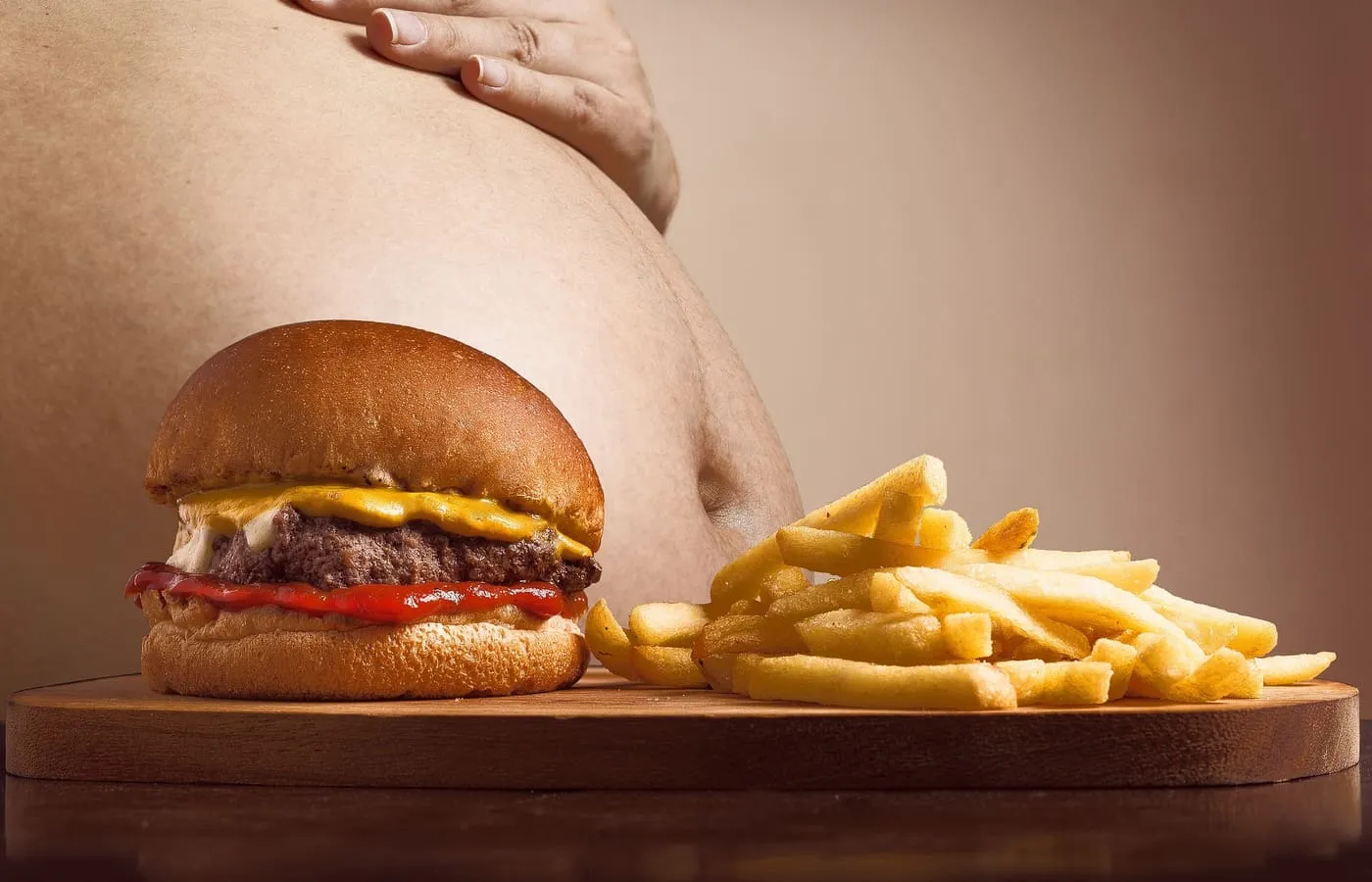
Unfortunately, reality looks quite different in our own business as well. Too rich, too fatty, too sweet and often not balanced. Most employees only want a short lunch break, the way home is too far and a visit to a restaurant would “waste” too much time. It has to be quick. That is why people often rely on a snack bar nearby. The coronavirus pandemic has not improved this eating situation. On the contrary, whereas the walk to the snack bar previously at least provided a bit of exercise, a change of scenery and some fresh air, pizza, kebabs and chips are now delivered straight to the door. The radius of movement drops to zero and, as a “sweetener” for a large order, free sugary drinks are on offer in addition to the often very fatty, nutrient-poor food.
Lack of time
Even if you place great value on a healthy diet, it can quite easily become difficult in everyday life to stay true to your own credo. Too little time, too much stress – and a supermarket sandwich is soon wolfed down in front of the PC. Because of working life and the various leisure activities, food, especially at lunchtime and in between, usually has only secondary importance. People prefer to rely on quick food – fast food – so that professional demands can be met and, if possible, there is still time in the evening for family and leisure activities.
The wrong offering
Industrialisation has also greatly changed the food on offer. Whereas people used to cook at home, in recent years the trend has moved increasingly towards “eating out”. Less effort and many cheap offers make it possible. Fresh food became ever more expensive, while the range of fast-food chains, snack stands and sugary, fatty foods in the supermarket experienced a price revolution.
Too little knowledge
Many people could actively support their health with a better diet. In the way of this often stand poor self-assessment and a lack of risk awareness. The risks of poor and inadequate nutrition are still underestimated many times over, even though far-reaching health dangers lurk here. Knowledge about healthy eating is also often insufficient.
Lack of space
At the moment there is no room for a quiet lunch break. There is little opportunity to enjoy your food mindfully in a quiet, secluded room. If we eat at the desk or workplace, however, we experience the meal rather unconsciously. Since 1956 the German Nutrition Society (DGE) has set out in ten rules how consumers can eat a balanced diet in everyday life. These rules are rounded off with rules of conduct, such as gentle preparation and enjoyable, mindful eating. If this space for conscious enjoyment is missing, the meal is often “gulped down on the side” without really tasting it. Besides taste, we can also perceive our feeling of satiety or the digestibility of individual foods only to a limited extent. Beyond that, we do not relax and do not recharge our energy for the second half of the working day.
The current company site is equipped with a kitchenette. This kitchenette is a pleasant but very small place for communication – more a place for a quick break standing up than for a leisurely lunch break. Dining tables and various cooking facilities are missing.
Nevertheless, it would also be possible with the kitchenette to make use of meal preparation, which saves both time and money. “Meal prep” is the term meant to cover this undertaking. When preparing meals, we automatically engage with the food and thus, as a rule, avoid too much sugar, additives or other undesirable ingredients. Why, then, is this “meal prep” used so rarely? What are the reasons for “meal prepping” not taking place? This automatically leads us back to the first three points – too little knowledge, lack of time and the wrong food on offer.
Robot canteen
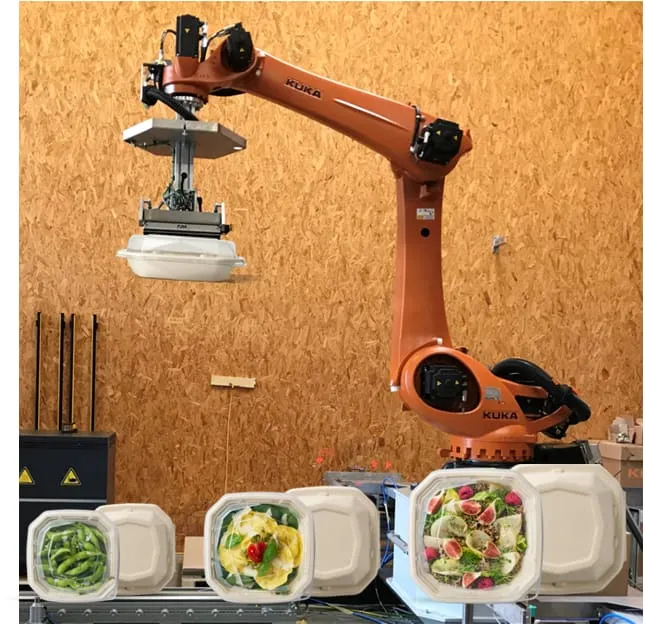
Since there are currently no in-house offerings for a healthy lunch break, the task is therefore to develop a suitable concept for catering at the new site. In keeping with Eberle Automatische Systeme, we have decided to develop a fully automatic robot canteen, which will be the centrepiece of the healthy lunch break. The process of ordering goods, taking delivery from the supplier, through to serving the finished dishes to employees will be automated. This means that all handling steps are carried out fully automatically. This is meant to make eating exciting and appealing. The process is intended to lure employees away from the snack bar and towards a healthier option. Here we will work with a varied selection of dishes that can be reheated and that will cover both macronutrients and micronutrients. The dishes can be chosen and pre-ordered and are ready to eat at lunchtime, without waiting times and unnecessary loss of time.
Rooms for breaks
In the new company building the space situation improves in all areas – office, workshop, meeting rooms and break rooms. This means that a quiet lunch break will definitely be possible. The meal can be enjoyed away from company activity and does not have to be eaten between the office and customer traffic. The harmoniously coordinated rooms are intended to invite mindful and enjoyable eating of the food on offer.
Education
The lack of opportunities, lack of time and the wrong offering have been largely covered by the points above. What remains is the point of limited knowledge. What do employees need in order to choose a healthy diet of their own accord, from their own inner drive? Probably more education. We will pursue this point further in future. Thanks to the generous amount of space, workshops on various topics are also possible in the new company building – including on macros and micros, that is, a healthy and balanced diet!